

Microdosing botox for a gummy smile: a subtle change can make all the difference
Each of us have a smile that’s uniquely ours – and it’s important that we feel confident to show it off.
Some of us naturally show more gum when we smile, this is known as ‘gingival display’ in medical terms. We find that some of our patients feel self-conscious about the amount of gum that’s on show when they smile, which can impact their self-confidence.
The good news is that there’s a very gentle, subtle way to reduce excessive gingival display without changing the overall character of your smile. Targeted botox is a highly effective way to reduce a gummy smile.
Because the muscles around the upper lip play such an important role in smiling, speaking and facial expression, we are experts in taking a considered and careful approach to achieving your perfect smile.
Here we explain microdosing botox for the treatment of a gummy smile.

What is a gummy smile?
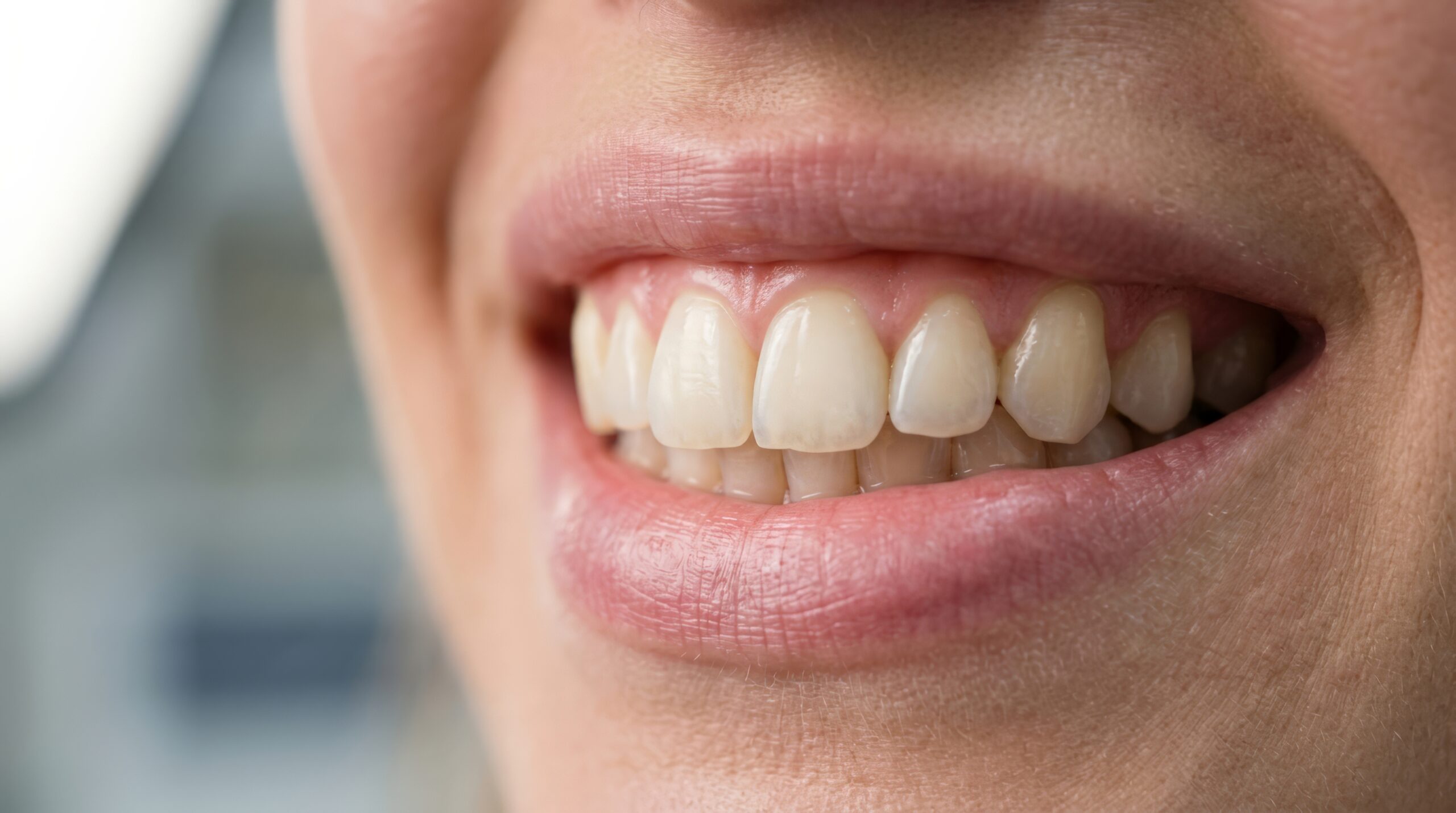
A gummy smile, known as excessive gingival display, is when a relatively large amount of gum is visible above the upper teeth when you smile.
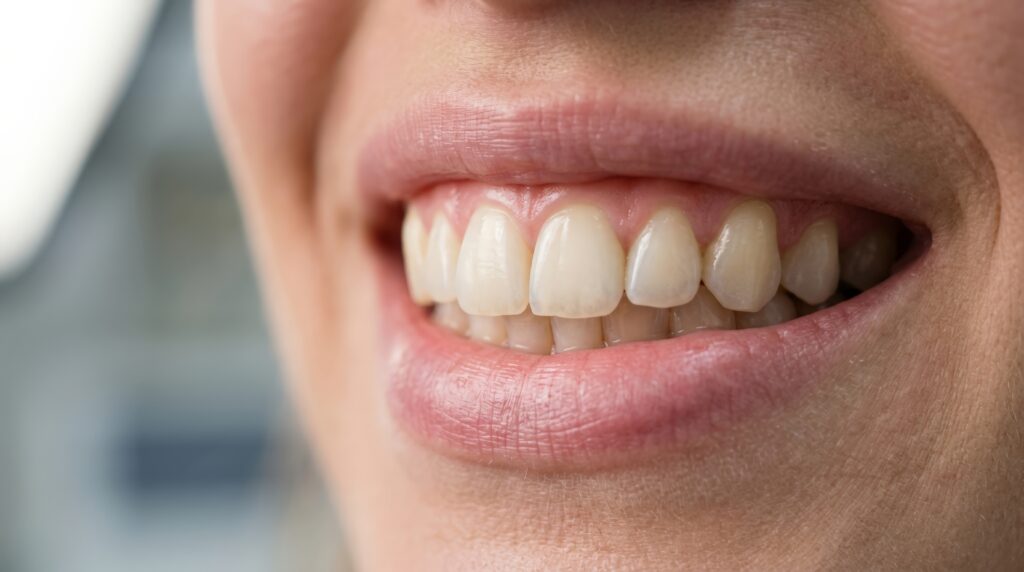
A certain amount of gingival display is completely normal. There is no definitive consensus on how much gum constitutes a gummy smile. However, studies suggest that 2-4mm of gum on display could be considered excessive for some people. A gummy smile is also not a dental concern in itself. For many people, it is simply a distinctive feature of their smile that they are perfectly happy with.
For others, however, the amount of gum showing can make them feel self-conscious. You might find yourself smiling less openly in photographs, covering your mouth when you laugh or becoming more aware of your smile when meeting new people.
The reasons for excessive gum display can vary. In some people, the upper lip moves upwards more noticeably because of increased activity in the muscles that elevate the lip. Other factors can include the length and shape of the upper lip, the teeth and gums, or the underlying structure of the upper jaw.
Read more about the factors behind excessive gingival display.
Treatment with botox is most relevant when upper lip muscle activity is a significant part of the reason for the gummy smile.
How can botox reduce the appearance of a gummy smile?
Botox or botulinum toxin works by temporarily reducing the activity of specific muscles.
When a gummy smile is caused, at least in part, by the activity of the upper-lip elevator muscles, very small amounts of botox can be placed at carefully selected points to reduce how strongly the upper lip is pulled upwards when you smile.
The aim to make a small adjustment to the movement of the upper lip, so that less gum is exposed whilst ensuring a natural smile.
Studies show that several muscles are involved in upper-lip elevation, including the levator labii superioris, levator labii superioris alaeque nasi and zygomaticus minor. Research has found that both the dose and injection site can influence the results of gummy smile treatment with botox, highlighting the importance of individual assessment and a conservative approach to dosing.
What does ‘microdosing’ botox mean?
Microdosing means taking a moderate and highly targeted approach to treatment with botox.
This means using a small amount of botulinum toxin to achieve subtle and carefully managed results for each individual patient.
The term microdosing does not describe one universally agreed dose or technique. It is about a cautious and measured approach that is tailored to the individual patient’s needs. Research shows that microdosing is a highly effective and safe approach to treatment with botox.
For the treatment of a gummy smile, this approach is particularly relevant because the area being treated is small and the muscles involved are responsible for important everyday movements.
Why is microdosing botox for gummy smile important?
There are several reasons why we take a microdosing approach to botox treatment for a gummy smile:
A subtle change
For most patients, their goal is simply to subtly reduce the amount of gum showing when they smile.
Using a small amount of carefully targeted botox can gently relax the upper lip muscles to make a subtle adjustment whilst preserving your natural facial expression.
Preserving your smile
The muscles around the mouth are highly expressive. They contribute not only to smiling but also to speaking, eating and other everyday movements.
This means that the consequences of excessive relaxation in this area can be more noticeable than they might be elsewhere on the face. A cautious approach can reduce strength of movement without restricting the character of your smile.
The ability to refine the result
Botulinum toxin does not produce its full effect immediately. Initial results show within a few days, whilst the full effect can be seen around 14 days after treatment.
Another advantage of a microdosing approach is that it leaves room to assess the initial response before considering whether any further treatment is appropriate.
Are there any disadvantages to microdosing botox for a gummy smile?
If you have significant gum exposure, or if your gummy smile has several contributing causes, botox alone may not provide the result you are looking for.
We will always carefully assess your individual facial anatomy and give you our considered, professional opinion on the results we can achieve for you.
Another factor with microdosing botox for a gummy smile is that the effect is temporary. The treatment can last for two to five months depending on the patient, this means that maintenance treatment will be needed if you want to continue the effect.
What happens if too much botox is used?
The aim with microdosing botox for gummy smile is to carefully reduce excessive elevation of the upper lip. If too much botox is used, there is a risk of unwanted changes to your smile or other movements around the mouth.
Celebrity experiences have highlighted the importance of this principle. Singer, Meghan Trainor, has spoken publicly about receiving too much botox alongside a lip-flip treatment and subsequently finding that she could not smile as widely as she wanted. Whilst her experience was not specifically a gummy smile treatment, it illustrates why the muscles responsible for natural facial expression need to be treated with the utmost care and caution.
Is microdosing for gummy smile right for me?
At Hannah London, gummy smile treatment begins with a consultation. It helps us to understand your concerns and enable us to assess the cause of your gummy smile, before deciding whether botox microdosing is right for you.
If excessive gum display is primarily related to the movement of your upper lip, botox microdosing may be the most appropriate approach. If your gummy smile is mainly related to your gums, teeth or underlying jaw structure, another approach may be more suitable.
There is certainly no need to treat a gummy smile simply because other people might describe it as one. Some people love the character it gives their smile. Treatment is always a personal choice.
Find out more about botox treatment for a gummy smile at our London clinics.
Book your appointment
If you are considering botox for a gummy smile and would like to understand whether a microdosing approach could be suitable for you, please contact us.


