

Mounjaro Hair Loss: Why It Happens and What You Can Do
An unexpected side effect
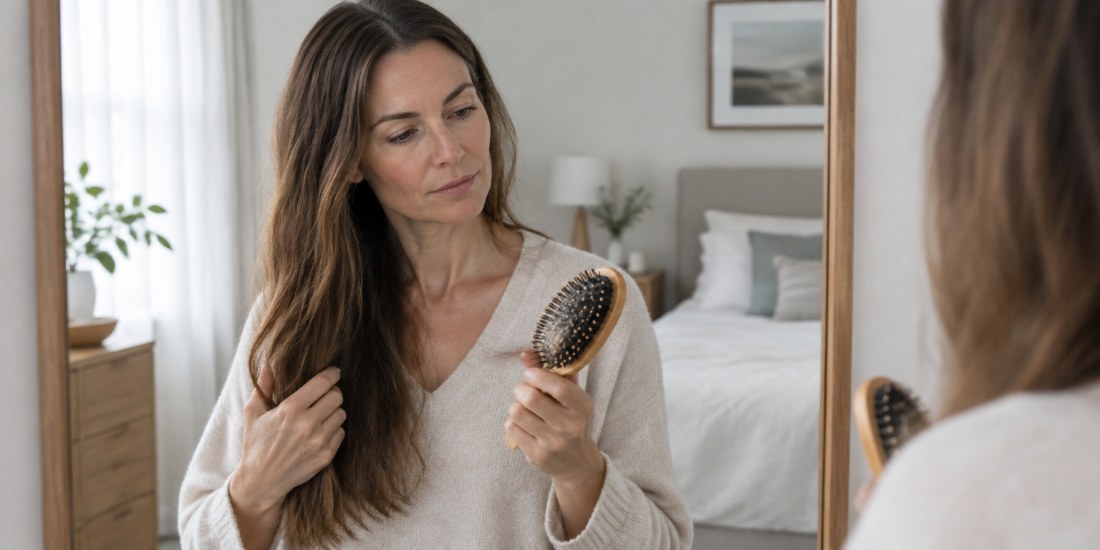
Weight loss medications such as Mounjaro have helped many people make significant changes to their health. Yet some patients notice something they did not expect a few months into treatment: more hair than usual in the shower, on the pillow or in their hairbrush.
If this is happening to you, it can be distressing. The reassuring news is that for most people, this type of hair shedding is temporary. Understanding why it happens can help you respond calmly and support your hair while it recovers.
Does Mounjaro cause hair loss?
Hair loss has been reported by a small proportion of people taking Mounjaro, and it appears to be more common at higher doses and with greater weight loss. However, current understanding suggests the medication itself is not usually the direct cause.
Instead, hair loss is most often linked to the rapid weight loss and reduced food intake that come with treatment. The same pattern is seen after bariatric surgery, very low calorie diets and other forms of significant, fast weight loss.
Why rapid weight loss causes hair shedding
The most common explanation is a condition called telogen effluvium.
Each hair on your head goes through a natural cycle. There is a long growing phase, a short transition phase and a resting phase, after which the hair falls out and a new one begins to grow. At any one time, most of your hair is in the growing phase.
When the body experiences a significant stress, such as a sudden drop in calorie intake, rapid weight loss, illness or surgery, it can push a larger number of hairs into the resting phase at once. A few months later, those hairs shed together. This is why hair loss often appears two to four months after the stress began, rather than straight away.
The shedding is diffuse, meaning it affects the whole scalp rather than causing bald patches. Many people notice their ponytail feels thinner or their parting looks wider.
Nutrition plays a big part
Because medications like Mounjaro reduce appetite, it can be easy to fall short on the nutrients hair needs to grow. Hair follicles are among the most active cells in the body, and when resources are limited, the body prioritises essential functions over hair growth.
Nutrients that are particularly important for healthy hair include:
- Protein. Hair is made mostly of a protein called keratin, so adequate protein intake is essential.
- Iron. Low iron levels are a well-recognised cause of hair shedding, particularly in women.
- Zinc. This supports hair tissue growth and repair.
- Vitamin D. Low levels have been associated with hair loss, and many people in the UK are low in vitamin D over winter.
- Vitamin B12 and folate. These support healthy cell production.
How long does Mounjaro hair loss last?
Telogen effluvium is usually temporary. Shedding tends to continue for around three to six months before gradually slowing down. As the hair cycle resets, new growth appears, although it can take many months for hair to return to its previous length and thickness.
If shedding continues beyond six months, or if you notice patches of hair loss, it is important to speak to a doctor, as there may be another cause.
What can you do about it?
There are several practical steps that can help reduce shedding and support regrowth.
Prioritise protein at every meal. Even when your appetite is reduced, aim to include a source of protein each time you eat. Your prescriber or a dietitian can advise on what is right for you.
Get your bloods checked. A simple blood test can identify low iron, vitamin D, B12 or thyroid problems, all of which can contribute to hair loss. Correcting a deficiency can make a real difference.
Do not stop your treatment without advice. If you are concerned, speak to your prescriber before making any changes to your medication. Sudden changes may not be the right approach, and hair loss is often manageable in other ways.
Be gentle with your hair. Avoid tight hairstyles, harsh chemical treatments and excessive heat styling while your hair recovers.
Be patient. Hair grows slowly, so improvements take time. Knowing that shedding is usually temporary can help reduce the worry, and stress itself can make shedding worse.
Professional support for hair regrowth
For some patients, extra support can help hair recover more quickly and look fuller in the meantime. At Hannah London, we offer a range of hair treatments designed to stimulate the scalp and support healthy growth. Our medical team can assess your hair and scalp, review your health and nutrition, and recommend a personalised plan.
Because our clinic combines aesthetic treatments with private GP services, we can look at the whole picture, including blood tests, nutritional factors and your wider health.
When to see a doctor
You should speak to a doctor if:
- Hair loss is sudden, patchy or accompanied by scalp itching or pain
- Shedding continues for more than six months
- You have other symptoms, such as extreme tiredness, feeling cold or changes to your skin
- You are worried about your health or nutrition on treatment
Supporting you through your weight loss journey
Losing weight is a positive step, and hair shedding does not have to undermine your confidence along the way. At our Harley Street and Colindale clinics, our team led by Dr Kaywaan Khan takes a holistic approach to health and appearance. If you are noticing changes to your hair, book a consultation and we will help you understand what is happening and how to support your recovery.


