
Polynucleotides vs PDRN: what’s the difference?
If you are interested in regenerative skincare, you are likely to have come across two increasingly recognised names: polynucleotides and PDRN.
Both have become major talking points in aesthetic medicine, which has been driven in part by South Korea where DNA-derived treatments and products have been fundamental to the wider K-Beauty movement.
Both polynucleotides and PDRN are associated with skin regeneration, healing and improved skin quality – but how similar are they?
Polynucleotides and PDRN are both derived from DNA that is usually purified from salmon or trout – although plant-derived alternatives are increasingly available – and each are recognised for their ability to support the skin’s natural repair processes.
Here we explore the similarities and differences between polynucleotides and PDRN, along with the science behind them, to help you make an informed decision when you’re planning treatment.
What are polynucleotides?
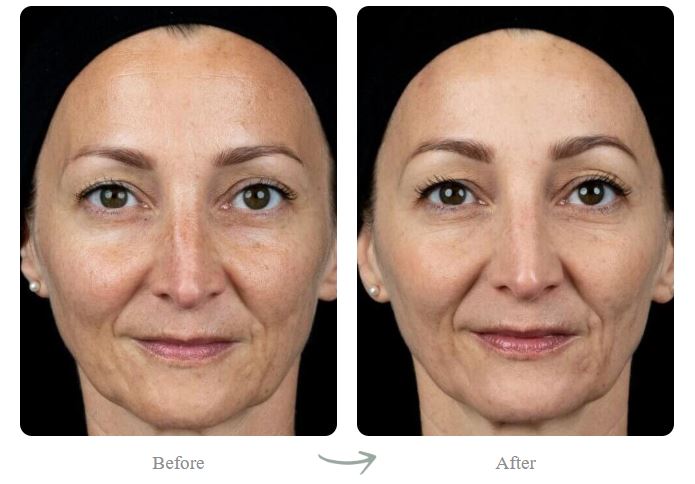
Polynucleotides are long chains of purified DNA-derived molecules known as nucleotides. In aesthetic medicine, injectable polynucleotides are used as a skin booster to support the skin’s natural regenerative processes.
A clinical review into polynucleotides explored their use in aesthetic medicine. They are believed to stimulate fibroblast activity to encourage the production of collagen and elastin fibres, they also improve hydration and help to create a healthier environment for skin repair.
Polynucleotides can be used to address a number of skin concerns including:
- Fine lines and wrinkles
- Loss of elasticity and firmness
- Dehydrated or dull-looking skin
- Uneven skin texture
- Sun-damaged skin
- Acne scarring
What is PDRN?
PDRN stands for polydeoxyribonucleotide. Like polynucleotides, PDRN consists of purified DNA-derived material, commonly obtained from salmon or trout.
PDRN has been used for clinical purposes for much longer than its more recent popularity in aesthetic skincare might suggest. It has been used in wound healing and tissue repair, with research suggesting that it has anti-inflammatory benefits and supports cell proliferation and blood vessel formation.
In aesthetic medicine, PDRN is now being recognised as a treatment for skin regeneration, scar management and post-procedure recovery.
PDRN has also become particularly well known through Korean skincare and the K-Beaty movement. You will now see PDRN listed as an ingredient in many serums, creams, masks and other topical products.
It is important to note that PDRN in a topical skincare product is not the same as an injectable PDRN treatment. You can expect to see increased skin hydration and superficial textural improvements with topical skincare products containing PDRN, whereas injectable treatments act on the skin at a deeper level to stimulate its regenerative processes.
Polynucleotides vs PDRN: what’s the difference?
The main distinction between polynucleotides and PDRN lies in their DNA chain length.
In general terms, PDRN consist of shorter DNA chains with a lower molecular weight, whereas polynucleotides consist of longer DNA chains with a higher molecular weight.
Because PDRN molecules are smaller, they disperse quickly to stimulate tissue repair, wound healing and to calm inflammation. This makes PDRN well-suited to topical products.
The longer-chain polynucleotides with their higher molecular weight stay in the skin longer to support the skin’s structural processes, deeply hydrate and stimulate collagen and elastin production. Polynucleotides are commonly used as injectable skin boosters.
A quick reference guide to polynucleotides and PDRN:
| Polynucleotides | PDRN | |
| What are they? | Longer DNA-derived chains | Shorter DNA-derived chains |
| Common source | Purified salmon or trout DNA | Purified salmon or trout DNA |
| Known benefits | Skin quality, regeneration, collagen and elastin stimulation | Tissue repair, wound healing, anti-inflammatory |
| Aesthetic use | Injectable skin boosters | Injectable treatments and topical skincare |
It is important to note that the similarities in polynucleotides and PDRN, and their general effect on skin regeneration, means that there can be overlap in the terminology used by manufacturers and clinics.
Do polynucleotides and PDRN have the same benefits?
Both polynucleotides and PDRN support the skin’s natural regenerative processes, and both have been acknowledged for their effects on skin repair.
A 2025 study showed that both polynucleotides and PDRN improve the condition of the skin and promote its regeneration. It also found that the most consistent evidence for PDRN was in wound-healing applications, whilst polynucleotides demonstrated improvements in wrinkle reduction and skin quality.
Polynucleotides: pros and cons
Advantages
- Designed specifically to support skin regeneration and skin quality
- Can improve the appearance of fine lines, texture and elasticity
- Supports healthier-looking, more resilient skin
- Natural-looking results that develop over time
Considerations
- Full results develop gradually
- A course of treatments may be recommended
- There can be temporary redness or swelling at injection sites
PDRN: pros and cons
Advantages
- Supports tissue repair and regeneration
- Known benefits in wound healing and regenerative medicine
- Useful for post-procedure recovery and skin repair
- Available in both injectable treatments and topical skincare
Considerations
- The evidence for aesthetic rejuvenation is still developing
- Topical and injectable PDRN products are not comparable
What other treatments are similar to polynucleotides and PDRN?
Polynucleotides and PDRN sit within a wider group of treatments designed to improve skin quality and stimulate the skin’s own regenerative processes.
Depending on your individual concerns, alternatives may include:
Hyaluronic acid skin boosters
Treatments such as Profhilo and other injectable skin boosters can improve hydration, elasticity and overall skin quality by stimulating collagen and elastin production.
Biostimulators
Biostimulators are a revolutionary type of dermal filler that stimulate collagen production in the skin, to achieve naturally improved skin texture, tone and radiance.
Microneedling
Microneedling uses controlled micro-injuries to stimulate the skin’s natural healing response and collagen production. It can be particularly useful for uneven texture and acne scarring.
Talk to the experts
At Hannah London, we take a personalised approach to your skin’s health and appearance to ensure that the recommended approach fits with your individual skin needs and your aesthetic goals.
We offer rejuvenating polynucleotides treatment as part of our wider range of skin boosters and regenerative treatments. Please contact us to find out more or to book your consultation.