Exosomes explained: The science, the safety, and the realistic results
Exosomes are becoming an increasingly acknowledged and interesting part of regenerative aesthetics, particularly for people who want to improve the quality, resilience and overall health of their skin.
At Hannah London, our approach to using exosomes is very much part of our more holistic approach to skin health – and one that considers how different treatments can work together to support your skin for the long term.
Here, we explain what exosomes are, how they work and what you can realistically expect from exosome treatment.
What are exosomes?
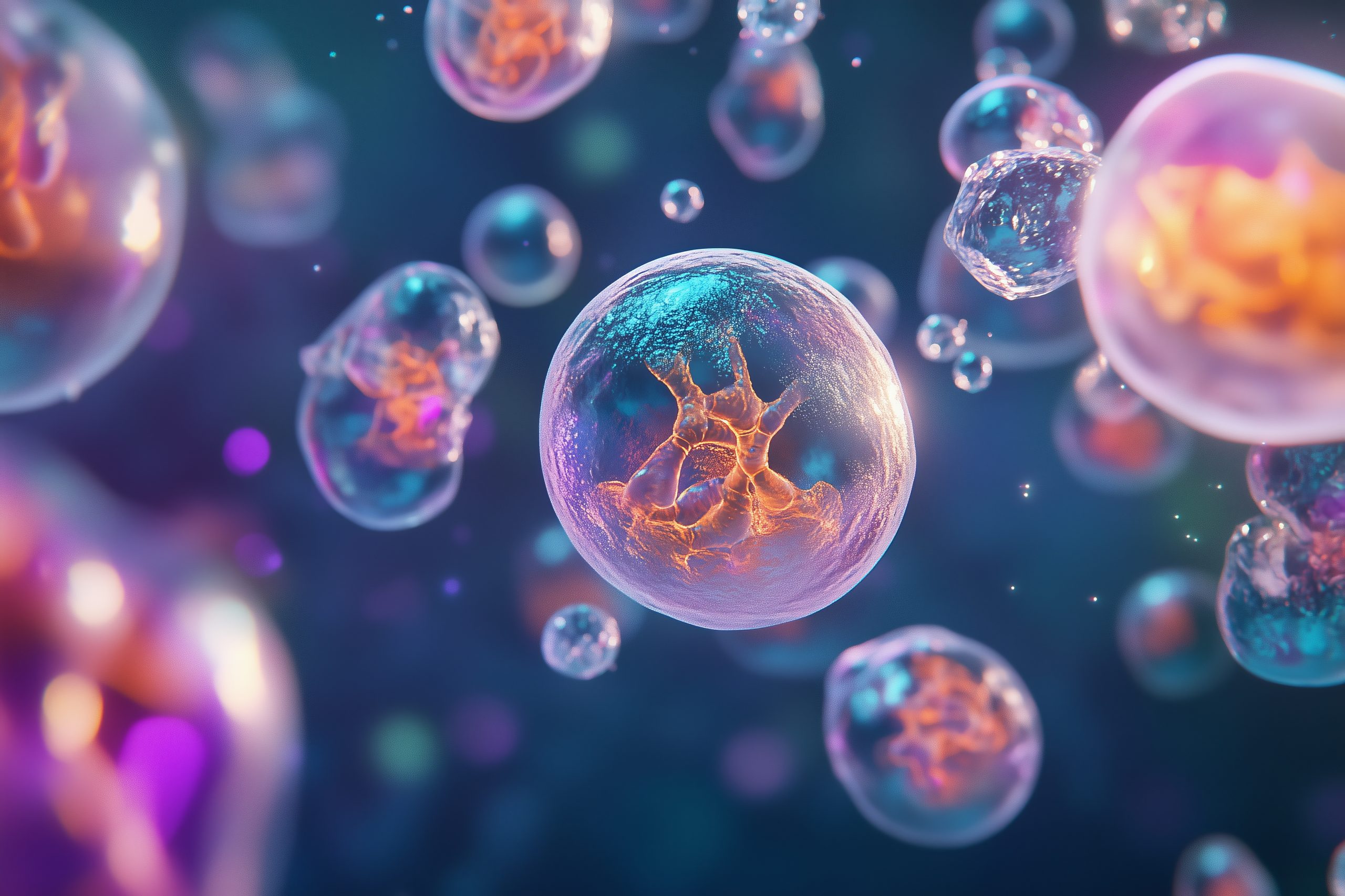
Exosomes are tiny extracellular vesicles released by cells. They are involved in communication between cells, carrying signalling molecules and other biological material, such as proteins and lipids, that can influence how cells behave.
This cell-to-cell messaging is what makes exosomes particularly exciting in regenerative medicine. Research is exploring their potential to influence skin healing, inflammation, collagen and elastin production, and tissue regeneration.
In aesthetic medicine, exosomes have been identified for their potential to support skin healing and improve concerns such as hydration, elasticity, texture and overall skin quality.
Read more about the research into exosomes for skin rejuvenation.
Early clinical research is encouraging when it comes to the use of exosomes as part of a wider approach to skin health. As exosome products can vary considerably in their source, composition and method of preparation, choosing a reputable clinic and trusted medical professional is an important part of ensuring the treatment is right for you.
What can exosomes do for your skin?
Healthy skin is about its resilience, hydration, elasticity, density, texture and ability to recover. All these aspects contribute to how your complexion looks and feels.
This is where exosomes are particularly exciting.
Recent initial research into exosome-based skin treatments has reported improvements in a number of aspects of skin quality, including:
- hydration
- elasticity
- skin texture
- the appearance of fine lines and wrinkles
- pigmentation
- overall skin quality
At Hannah London, our focus is on how exosome-based treatments can form part of a personalised approach for healthier, more resilient skin.
Exosomes and skin resilience
Our skin is constantly responding to its environment. UV exposure, pollution, lifestyle, hormonal changes and the natural ageing process all affect its structure and ability to repair itself.
Supporting skin resilience means looking beyond individual skin concerns and considering the condition of the skin as a whole.
This is certainly our belief and the direction of modern regenerative aesthetics in general: rather than correcting the signs of ageing, the focus is increasingly on maintaining skin quality and supporting the skin’s own regenerative processes.
Exosome therapy is an example of the technological advances that underpin this approach. Their influence on inflammation, collagen support, skin healing and regeneration is why they are attracting so much interest in aesthetic medicine.
The benefits of combining exosomes with other treatments
Using exosomes as part of a personalised treatment protocol alongside other aesthetic therapies and skincare products can help to improve the look and feel of your skin.
This is known as treatment stacking – addressing different aspects of skin health in order to promote overall improvements in skin quality
As an example, microneedling creates controlled micro-injuries that stimulate the skin’s natural healing response. When used alongside microneedling, exosome serums penetrate the micro channels created in the skin to promote healing and skin regeneration, as well as improve hydration and skin texture.
The specific treatment plan recommended for you will depend on your individual concerns, your skin’s unique needs and the results you want to achieve.
Rather than treating a particular concern in isolation, where appropriate, we recommend a personalised treatment journey in which different techniques work together for the longer-term health of your skin.
Exosomes treatment in London
At Hannah London, exosomes can form part of a personalised treatment approach for a range of skin concerns.
Dermapen microneedling can be combined with exosomes as part of a regenerative treatment approach to stimulate the body’s natural healing processes and encourage cell turnover.
Our ReviVe Facial incorporates ginseng-derived exosomes alongside growth factors and peptides as part of an eight-step treatment designed to support skin renewal, hydration, resilience and overall skin quality.
ContinVe Micropulse Lifting Serum and ContinVe Micropulse Lifting Cream also incorporate ginseng-derived exosomes, alongside growth factors, peptides and micropulse technology. Used as part of a daily skincare routine, they are designed to support skin resilience, hydration and elasticity. They also help to prolong the benefits of the ReviVe Facial.
Exosomes may also be incorporated into individual treatment plans for acne. Depending on your particular needs, the focus may be on improving the texture of acne-prone skin, reducing the appearance of post-acne marks and scarring, or promoting overall skin health.
Research has explored how exosome-based treatments can influence the signalling processes involved in hair follicle growth and the hair growth cycle. At Hannah London, we offer exosome therapy for hair loss as part of our approach to supporting healthier-looking hair.
Are exosomes safe?
Safety is an important consideration with any emerging aesthetic treatment.
Current clinical research suggests that topical exosome treatments are generally well tolerated, with studies reporting mostly mild and temporary reactions such as redness, swelling, dryness or mild discomfort.
It is also important to recognise that exosome skin booster products can differ in their source, composition and method of preparation, and their safety may also depend on how they are administered.
For this reason, choosing a reputable medical aesthetics clinic and an appropriately trained medical professional is important when considering exosome therapy.
At Hannah London, our approach to new aesthetic technologies is deliberately selective. We look at the science behind a treatment, the product being used, its clinical suitability and how it fits with each individual patient’s needs.
What results can you realistically expect?
Exosomes are being increasingly recognised for their potential to support skin healing, calm inflammation and improve overall skin quality.
Depending on the treatment and your individual skin, the benefits of exosomes treatment may include:
- improved hydration and radiance
- more even skin tone and texture
- smoother, healthier-looking skin
- improved skin resilience
- support for the skin’s natural healing and regenerative processes, including collagen production
- reduced inflammation and redness
- potentially less downtime following certain aesthetic procedures
Some benefits, such as increased hydration and radiance, may become noticeable relatively quickly, whilst improvements in skin texture, resilience and overall quality can develop more gradually as the skin responds to treatment.
Talk to the experts
If you are considering exosomes treatment in London, we can assess your skin, discuss what you would like to improve and recommend whether exosomes – or a combination of treatments – is appropriate for you.
Please contact us.